Discover jewelry stores in Moorea on Moorea Life. Local creations, traditional or contemporary jewelry: find the right jeweler for you.
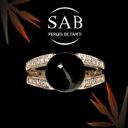
In Moorea, Tahitian pearls are one of French Polynesia's iconic products. Produced by the Pinctada margaritifera pearl oyster, also known as the black-lipped oyster, they are distinguished by their wide range of natural colors, from light gray to black, with green, blue, aubergine, or silver reflections. Pearl farming requires precise expertise. The oysters are raised at sea for several years before being grafted. This delicate operation involves inserting a nucleus and a fragment of mantle into the oyster to trigger the formation of the pearl. After grafting, the oyster is returned to the lagoon or bay for a growth period that can last from 18 to 24 months, or even longer. The quality of a pearl depends on several criteria: size, shape, surface, luster, and color. Perfectly round pearls are the most sought after, but baroque or semi-baroque shapes are also prized for their uniqueness. Each pearl is different, making it a natural and non-standardized product. In Moorea, pearls are often valued by artisan jewelers and specialty shops. They are mounted in simple or elaborate jewelry—necklaces, bracelets, earrings, pendants—that highlight the pearl itself rather than excessive ornamentation . Some shops also offer unmounted pearls for enthusiasts or collectors. Local sales allow for better traceability and direct contact with professionals. They contribute to the promotion of a recognized Polynesian industry, while supporting local crafts and the local economy. In Moorea, pearls remain a powerful symbol of the link between the sea, human expertise, and the identity of the territory.
Do you know more about this topic?
Complete, enrich, share!
Contact me